A Step-by-Step Guide to Getting a Dental Inlay
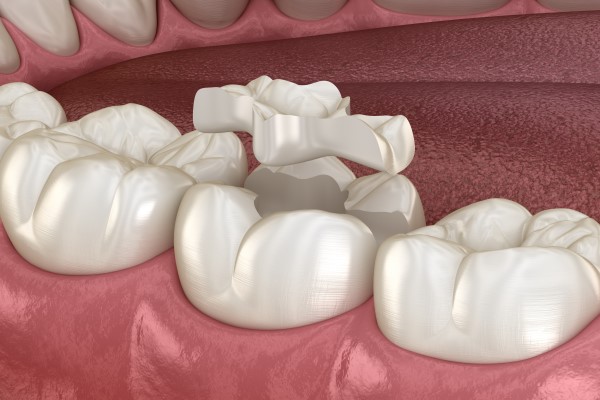
A dental inlay is often necessary for teeth that are in bad shape, whether it be due to cavities or accidental injuries such as cracks or chips. However, among dental restorations, inlays are not the most common type. Most people are familiar with dental fillings or crowns, but general dentists also recommend dental inlays for additional types of problems. Because dental inlays are not as familiar to most people, it is a good idea to review how they work and what the process is like. Ready to learn more?
What are dental inlays?
Dental inlays are indirect dental restorations that are placed in between the cusps of a tooth. They are custom created in a dental lab, which requires patients to visit their dentist's office multiple times throughout the process. Dental inlays are typically made of composite resin or porcelain, depending on the patient's desire and the dentist's recommendation. Both materials can be made to match the patient's original tooth color, which makes for a discreet and aesthetically-pleasing restoration.
A step-by-step guide to dental inlay placement
During the first appointment, the dentist will numb the treatment area using a local anesthetic, ensuring the patient will feel little to no discomfort. Once the area is numb, the dentist will use a dental drill to remove dental decay from the tooth. If there is a crack or chip in the tooth, the dentist will use a different dental tool to smooth the surface of the tooth.
Then, the dentist will take an impression of the tooth that requires the dental inlay. Then, the impression will be sent off to the dental lab. The dentist will place a temporary seal over the treated tooth to protect it from bacteria while waiting for the permanent inlay.
Once the dental inlay is done, the patient will return to the dental office. The dentist will use dental cement to secure the inlay in place. A follow-up appointment may be required to ensure that the dental inlay fits and works as designed while remaining comfortable and healthy.
When dental inlays are needed
Dental inlays are typically recommended when a patient has a cavity that is too large for a dental filling. Additionally, they are recommended when the tooth doesn't have enough surface space for a dental crown to be used. Outside of cavities or tooth decay, dentists recommend inlays for patients that have minor cracks or chips in between the cusps of a tooth.
Reach out to our Santa Rosa office today
Would you like to learn more about the dental inlay process? The Bornstein Family Dentistry is here to answer any questions you may have. Reach out to our Santa Rosa office to learn more or to schedule a consultation.
Request an appointment here: https://www.drdanbornstein.com or call Bornstein Family Dentistry at (707) 360-6353 for an appointment in our Santa Rosa office.
Check out what others are saying about our dental services on Yelp: General Dentistry Services in Santa Rosa, CA.
Related Posts
A general dentist offers numerous smile maintenance services to help patients be confident and proud of their smiles. Some treatments require dentists to change the structure of the teeth, such as treating areas of decay, while others focus more on boosting the teeth’s resilience or keeping the gums healthy. No matter how long it has…
Routine visits with a general dentist are among the most effective ways to maintain optimal oral health. The American Dental Association recommends visiting the dentist at least twice yearly or every six months. These appointments can reduce the risk of oral health issues and catch existing ones in their early stages, ensuring your smile stays…
Tooth decay, or a cavity, is one of the most common oral health problems general dentists treat. In many cases, these dental providers can help prevent cavities before they form. Whether you think you may have a cavity or want to prevent getting one, a general dentist can help.A major part of a general dentist’s…
Has it been over six months since your last appointment with a general dentist? Read on to learn more about the importance of regular dental checkups. Regular dental care is important for healthy, long-lasting smiles, and your general dentist aims to help you achieve optimal oral health.The basis of preventive dentistry is routine dental checkups.…