When to See a Restorative Dentist For a Damaged Filling or Crown
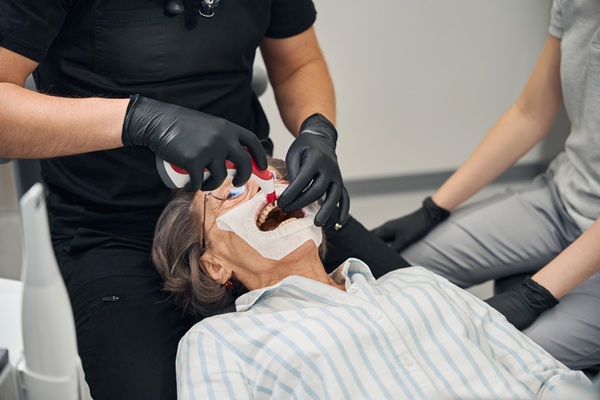
When a dental filling or crown becomes loose, cracked, or worn, seeing a restorative dentist right away is the best way to protect your tooth. It is easy to ignore a tiny chip or a twinge when biting down, but those minor changes are often the tooth’s way of sounding an alarm. Taking action and consulting a restorative dentist early can turn what could be a major procedure into a simple, stress-free fix.
Why do even good fillings and crowns wear out?
Dental restorations are a bit like the tires on a car. They are incredibly durable and built to handle a lot of pressure, but they are not meant to last forever. Every single day, dental fillings and crowns endure the heavy forces of chewing, the temperature shifts of hot coffee and cold water, and the occasional accidental bite on a hard object.
Over time, these forces can create microscopic gaps or cracks in the material. Sometimes, the bond between the tooth and the restoration simply weakens due to age. While the restoration might look fine, these small imperfections can let bacteria in, leading to decay in places a toothbrush cannot reach.
When to see a restorative dentist about an old filling or crown
A damaged crown or filling does not always hurt — at least not at first. Many patients wait for a sharp pain to signal a problem, but by then, the damage is often much worse. Keeping an eye out for subtle changes can save a significant amount of time and discomfort.
Here are a few common signs that it is time to see a dentist about an old restoration:
- Temperature sensitivity. A sudden zing when drinking something cold or hot.
- Texture changes. Being able to feel a rough edge or a hole with the tongue.
- Flossing issues. Such as if floss suddenly starts shredding or getting stuck around a specific tooth.
- Pain while chewing. A sharp pressure or a dull ache during meals.
- Visible wear or damage. Like a crown that looks flat or a filling that appears dark around the edges.
While these symptoms might feel like a minor annoyance today, addressing them early can lead to better oral health outcomes. A proactive approach keeps the smile strong and less likely to need root canal therapy or other invasive treatments.
What does a dentist do for damaged restorations?
A restorative dentist will start by assessing the health of the tooth underneath the dental restoration. Digital X-rays often help reveal what lies beneath the tooth's surface and detect any hidden signs of decay. Checking the bite is also necessary; sometimes, a filling or crown fails because it takes too much pressure during chewing. A simple adjustment can prevent future breaks.
The recommended treatment depends entirely on what is best for long-term health. If a filling or crown is only slightly worn, a simple patch may suffice. Or, if the restoration has lived its full life, a dentist can design a new one that fits perfectly and looks completely natural.
Visit a restorative dentist
A damaged dental filling or crown can be a hassle, but a restorative dentist can help. They can quickly repair or replace old restorations, so you can get back to your daily routine. To schedule a visit, contact Bornstein Family Dentistry today.
Request an appointment here: https://www.drdanbornstein.com or call Bornstein Family Dentistry at (707) 360-6353 for an appointment in our Santa Rosa office.
Check out what others are saying about our dental services on Yelp: Restorative Dentist in Santa Rosa, CA.
Related Posts
A dental inlay is often necessary for teeth that are in bad shape, whether it be due to cavities or accidental injuries such as cracks or chips. However, among dental restorations, inlays are not the most common type. Most people are familiar with dental fillings or crowns, but general dentists also recommend dental inlays for…
Looking for information on periodontic care? Continue reading to learn about situations when a dentist might recommend periodontics. Periodontal disease, commonly known as gum disease, is a serious oral health issue that can result in severe oral infections and tooth loss. Periodontal disease may be contained and handled with the appropriate professional treatment.Gum disease can…
Dental implants can replace missing teeth, but some patients may need a tooth extraction before treatment begins. This depends on whether a damaged or unhealthy tooth remains in the area where the implant will go. Our general dentist can examine your tooth, gums, and jawbone to decide whether saving the tooth or removing it offers…
Most people grow up hearing that dental care means one checkup with a family dentist every six months. While that schedule works well for many patients, it is not the right fit for every smile. Some people benefit from more frequent visits because their oral health needs, habits, or medical history place them at a…